
Quick triage: is ventilation the likely fix?

Why it happens

Everyday moisture and poor airflow

Cooking, baths and drying laundry add a lot of water vapour to the air. In modern, well-sealed homes that moisture can’t escape and condenses on cold windows and walls. Improving airflow is often the first, simplest step to reduce these deposits.

Common signs

Look for these clear signs

Frequent window sweating, damp or dark patches on walls or skirtings, recurring mould in corners, and a persistent musty smell are strong indicators that poor ventilation is the likely cause and that a ventilation solution could help.

When to check

Red flags that need a site visit

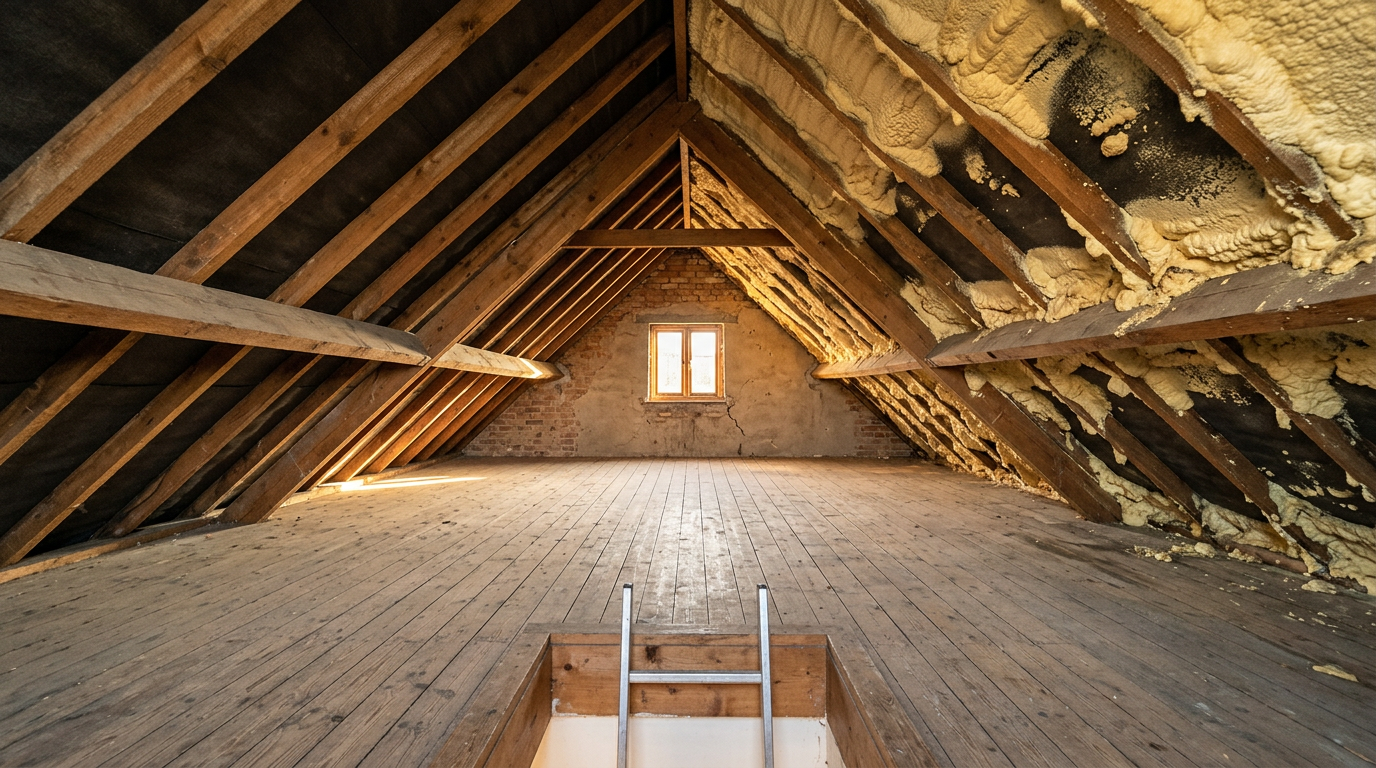
If there are roof leaks, visible structural damp, or obstructive loft insulation such as spray foam, ventilation alone may not fix the problem. Book an inspection so we can confirm whether spray foam removal or other remedial work is needed and see our FAQs for quick answers.

PIV explained in plain terms

A PIV unit gently supplies filtered fresh air into your home to lower indoor humidity and help prevent mould.

  • Air taken from the loft or an external intake.
  • A built-in filter removes dust and pollen.
  • The unit gently pushes fresh air into ceiling spaces and hallways.
  • That slight positive pressure reduces relative humidity and window condensation.
  • It will not fix structural leaks or work where loft airflow is blocked.

Image alt text: Labelled diagram showing the loft location, the unit with filter, and airflow arrows.

If the loft space is obstructed by spray foam, see our removal process first.

We’ll check loft access and advise the right next steps.

Learn how our removal process works

How your home changes with a PIV

Everyday gains

Everyday gains you’ll notice

You should see less window condensation, fewer small mould patches in corners and on ceilings, and a clear reduction in the musty damp smell — practical signs that indoor humidity has dropped.

See results

Typical timeline and checks

Most homes show visible improvement within a few weeks rather than months. Check windows, painted surfaces and how often you need to air rooms; if there’s little change after six weeks, arrange an assessor visit.

Running costs

Low running cost and simple upkeep

PIV units use low power (comparable to a small light) so monthly running costs are modest. Do a quick visual check quarterly and expect a filter change about once a year or as the installer recommends.

Next steps

When ventilation alone falls short

If condensation stems from trapped moisture, blocked loft space or old insulation, ventilation may not solve the problem on its own. We can assess and advise on remedial work such as spray foam removal or replacement insulation.

Quick answers about PIV suitability, cost and maintenance

Short answers to the most common homeowner questions are below; for a property‑specific assessment Get Your Free Quote or speak to a specialist.

Is a PIV right for my home?

A PIV is often suitable if you get regular window sweating, mould patches or a persistent musty smell and your home is reasonably airtight. Installers need safe loft access and no active roof leaks. If your loft has wet spray foam or trapped moisture we may recommend remedial work first — book an inspection.

How much does a PIV installation cost?

Costs depend on property size, loft access and any preparatory work required, so prices vary. We provide tailored estimates after a short site check. To get an accurate figure and any options for remedial work, Get Your Free Quote.

How long does installation take and is it disruptive?

Most installs take a few hours (typically half a day) and are low disruption; the work is mainly in the loft with minimal noise and no major downstairs work. You will be asked to clear loft access for the visit and the fitter will confirm times during the inspection.

What maintenance and running costs should I expect?

Maintenance is straightforward: replace or clean the unit filter about every 6–12 months and check vents occasionally. Electricity use is low, so running costs are modest. We provide a simple maintenance schedule and will demonstrate basic checks when the unit is fitted.

Can a PIV fix mould from existing damp or is other work needed first?

A PIV lowers indoor humidity and helps prevent new mould, but it won’t cure damp caused by leaks, structural moisture or trapped spray foam in the loft. If we find obstructive spray foam or wet insulation, we may advise spray foam removal or other remedial work before fitting.

When will I see improvements after installation?

Many homeowners notice less window condensation and fresher air within a few weeks. Existing stains or long‑standing mould can take longer to clear and may need cleaning or remedial work first. For a realistic timeline for your home, book an assessment.

Get Your Free Quote

Request a free PIV suitability visit

A PIV can quietly reduce window condensation and visible mould, with minimal disruption to your daily routine. Precision Insulation UK (see About Precision Insulation UK) will carry out a free, no‑obligation visit to check suitability and explain any follow-up work — such as replacement insulation, safe spray foam removal where it blocks loft airflow, or external roof cleaning. We cover homes Across England — see areas we cover for local availability.

Arrange a free inspection and we’ll explain clear, practical next steps.

Get Your Free Quote