


Quick triage: is foil insulation suitable?

Simple explanation

How reflective foil works

Reflective foil acts as a thin barrier that reflects radiant heat back into the room rather than letting roof surfaces absorb it, reducing a common form of heat loss.

Typical locations

Where foil is commonly installed

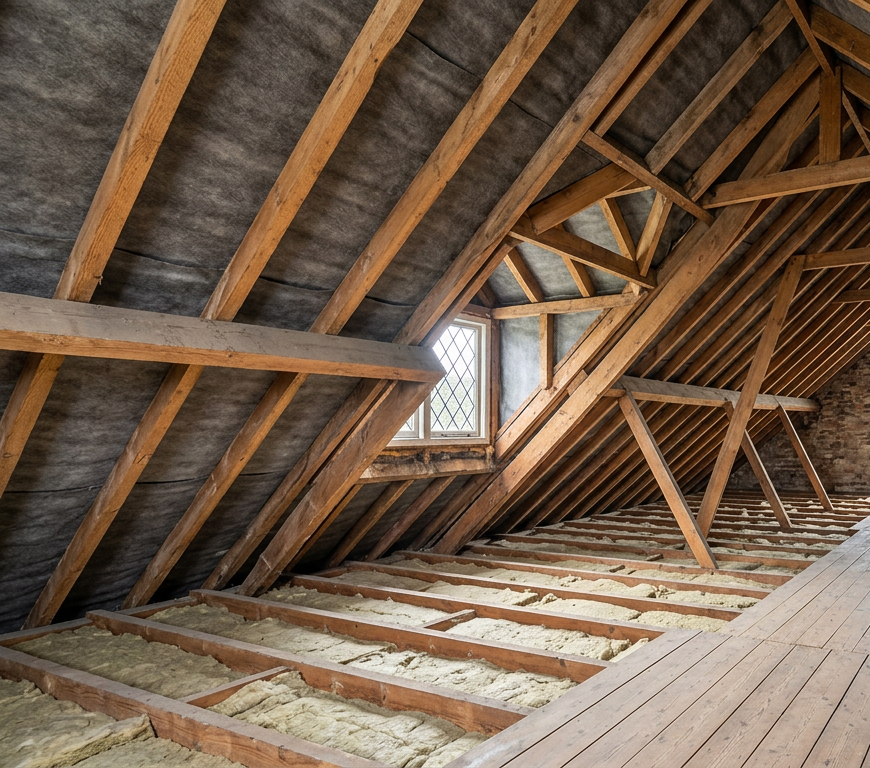
Foil is most practical under rafters, across loft voids or beneath sarking where thicker insulation would reduce headroom; it isn’t the right choice for continuous cavity fills.

Suitability checklist

Is foil a fit for your home?

Confirm available headroom, correct vapour control/ventilation and compatibility with existing layers after any spray foam removal; see replacement insulation options and Knauf wall insulation, then read the installation expectations next.

A simple day‑of guide to foil insulation installation

Below is what installers typically do during a loft or under‑rafter visit.

  • Site prep and clear access to the loft area for safe working.
  • Measure and cut foil panels to fit between rafters or across the void.
  • Fix foil with secure fastenings, maintaining correct overlaps and seals.
  • Apply vapour control measures and ensure ventilation paths remain clear.
  • Tidy site, remove waste and leave the loft safe to use.

Typical visits take a few hours for a single loft; disruption is usually low but depends on access and any preparatory work. If installation follows spray foam removal or roof work, see the removal process and roof cleaning pages for prep.

We’ll confirm required vapour control and ventilation at the site visit.

Speak to a Specialist

Practical points to weigh up foil insulation

Thermal outcome

Thermal performance in plain terms

Foil insulation reduces radiant heat transfer so rooms feel more even and can help lower heat loss where thicker materials won’t fit; the best results come when it’s part of a wider plan after spray foam removal.

Suitability checklist

Where foil generally suits

Well suited to lofts, between rafters and other tight voids where preserving headroom is important; it’s less suitable where ventilation is poor or where ongoing moisture is present.

Maintenance notes

Upkeep and simple warning signs

Foil is low-maintenance if kept dry. Check loft spaces every few years for condensation, damaged seams or punctures and sort ventilation or damp issues quickly to protect performance.

Survey & next steps

How to progress: survey to install

Book an on-site survey to confirm whether foil is right for your roof, arrange any required spray foam removal, then compare choices at replacement insulation options before deciding.

Foil insulation — frequently asked questions for homeowners

Short, practical answers about using foil as a replacement after spray foam removal, with links to further guidance where helpful.

Is foil insulation a sensible replacement after spray foam removal?

It can be, especially where headroom is limited. A post-removal survey checks vapour control and structure to confirm suitability; we can also explain other replacement insulation options.

How does reflective foil actually reduce heat loss and where is it fitted?

Foil reflects radiant heat back into the living space rather than absorbing it. Installations are usually under rafters or across loft voids where a thin, low-profile layer is needed.

Will foil insulation cause condensation or ventilation problems?

Not if fitted correctly. Foil needs appropriate vapour control and ventilation to avoid trapped moisture, so we assess ventilation as part of the removal process and before installing.

Is foil insulation safe from a fire-risk perspective?

Foil itself is not a substitute for required fire measures. Installers must maintain clearances and use suitable materials so the overall roof build-up meets safety requirements.

How disruptive is fitting foil insulation and how long does it take?

For a typical loft the work is usually completed in a day with low disruption. Any preceding spray foam removal or preparatory roof work will affect the timescale.

What are the next steps if I want a survey or quote?

Request a no‑obligation site assessment and we’ll advise on removal (if needed) and suitable replacement options — start by booking a free survey via Get Your Free Quote.

Get Your Free Quote

Request a free inspection and recommendation

Arrange a complimentary, no‑obligation inspection and we will assess whether spray‑foam removal is required and which replacement insulation — foil or another suitable option — best fits your loft or roof. The visit includes a visual survey, a clear written recommendation and a quote with no pressure. To start, Get Your Free Quote or Speak to a Specialist. We operate across England; see our Areas we cover for regional details.

A short on-site assessment will clarify removal needs and the right replacement for your home.

Get Your Free Quote