
Three things to know: causes, coatings and prep

Common causes

Why external walls fail

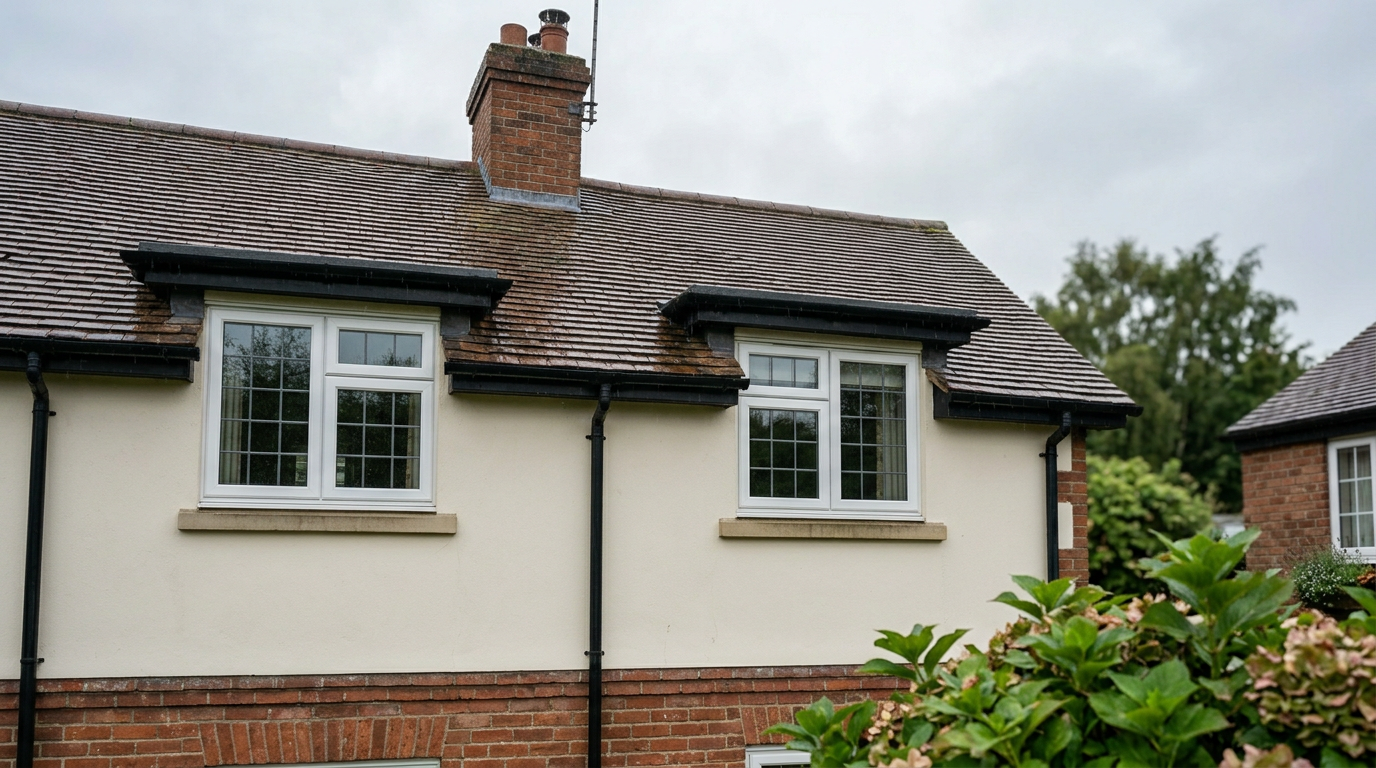
Moisture and weathering are the main drivers of visible damage to outside walls.

  • Water entry from blocked gutters, leaking roofs or poor pointing weakens render and masonry.
  • Freeze–thaw cycles and old, worn finishes cause cracking and flaking that allow more water in.

Coating basics

How a specialist coating helps

A professional wall coating is a formulated system, not a household paint, designed to balance water repellency with breathability.

  • It sheds driving rain while letting trapped moisture escape, reducing repeated water damage.
  • Different to re‑rendering, coatings renew appearance and add a protective layer without rebuilding the wall surface.

Surface preparation

What must happen before application

Long‑term performance depends on correct preparation — this is where most projects succeed or fail.

  • Inspection to locate damp paths, loose render and underlying defects that need repair.
  • Cleaning, repair of cracks or detaching material, and appropriate priming so the coating adheres and performs.

See the installation steps next for how these checks turn into on‑site actions.

A clear, homeowner-friendly installation timeline

We follow a short sequence on site so you know what to expect and how long works take. If additional remedial work is needed we can coordinate with other trades — Learn how our removal process works.

  • Inspection: check walls, note hidden repairs and confirm scaffold and access needs.
  • Repairs: make good cracks, replace loose render and treat damp where found.
  • Cleaning and priming: deep clean surfaces then apply primer to improve adhesion.
  • Coating application: applied in coats, weather monitored to protect cure and finish.
  • Final inspection, touch-ups, site tidy and a short handover on aftercare.

Book a site visit if hidden repairs may extend the programme.

Speak to a Spray Foam Removal Specialist

Quick checks before you book

Use these four short cards to compare installers, check whether your walls are suitable for coating, spot warning signs and identify any extra work you may need before a quote.

Choose an installer

What to check at survey

Ask for an on-site inspection, a written scope showing surface preparation, a clear timescale and written guarantee terms — these points protect you from hidden costs and poor workmanship.

Wall suitability

Which wall types suit coatings

Coatings commonly work well on brick, painted render and pebble-dash after necessary repairs; they are usually unsuitable where structural cracking, rising damp or loose substrate need major repair first.

Watch for risks

Signs of poor workmanship to avoid

Look for bubbling, peeling, trapped damp patches or rapid failure within months — these usually indicate inadequate preparation or the wrong product and can make underlying problems worse.

Related services

Work you may need alongside a coating

Roof cleaning, replacement insulation or improved ventilation are sometimes required before coating; ask about Roof Cleaning, Foil Insulation, Knauf Wall Insulation or PIV Units at the quote stage.

Wall coating FAQs for homeowners

Short answers to common questions about suitability, maintenance and next steps — if you need a site-specific recommendation, see our FAQs or book an inspection.

How long will a correctly applied wall coating last and what maintenance is needed?

Lifespan depends on the product, wall condition and exposure rather than a fixed number; a properly prepared surface usually only needs occasional checks and minor touch-ups. We recommend a survey to confirm likely maintenance intervals and any pre-existing issues that affect longevity.

Will a wall coating fix damp in my walls?

A coating can prevent rain-driven damp reaching the wall fabric, but it won’t solve internal or rising damp caused by leaks, poor ventilation or structural faults. If damp is evident, a survey is required to identify repairs before any coating can be effective; please contact us to arrange an inspection.

Can you apply a coating over existing paint, render or pebble dash?

Sometimes, but suitability depends on adhesion and the condition of the existing finish; loose paint or failing render must be removed or repaired first. We carry out an on-site check to confirm whether re-preparation is needed and will note this on your quote.

How much does a wall coating cost?

Costs vary with property size, surface condition and access requirements; simple re-coats are cheaper than jobs that need extensive repair or scaffolding. For a reliable price we offer a no‑obligation inspection — request a tailored quote at Get Your Free Quote.

When is repair or re-rendering a better option than a coating?

If walls have structural cracks, widespread loose render, or persistent internal damp, repair or re-rendering may be the correct first step before any protective coating. A survey will identify whether remedial work is required and outline the most appropriate solution.

What happens during a site survey and how quickly can you inspect my home?

A survey checks the wall surface, looks for hidden damage or moisture, and sets out the prep and likely costs; it helps us say whether a coating is suitable. Booking times depend on local availability, so contact us or request a quote to arrange an inspection.

Speak to a Spray Foam Removal Specialist

Book a no‑obligation wall coating assessment

Get a no‑obligation on‑site assessment to confirm whether a coating will address damp, cracked render or ageing walls, and to identify any preparatory repairs needed before work begins. Learn more about who will carry out your inspection at About Precision Insulation UK.

An on‑site inspection is the only reliable way to confirm suitability for your property.

Get Your Free Quote