Precision Insulation UK is a nationwide insulation company specialising in spray foam insulation removal. We help homeowners across South England, the Midlands, and the North resolve property, mortgage, and roof space concerns with clear, practical solutions.

info@precisioninsulation.uk

Quick answers to your biggest mortgage worries

These short Q&As explain how spray foam can cause mortgage problems and what lenders usually expect, so you can see a practical way forward rather than feeling stuck.

Why does spray foam affect mortgages?

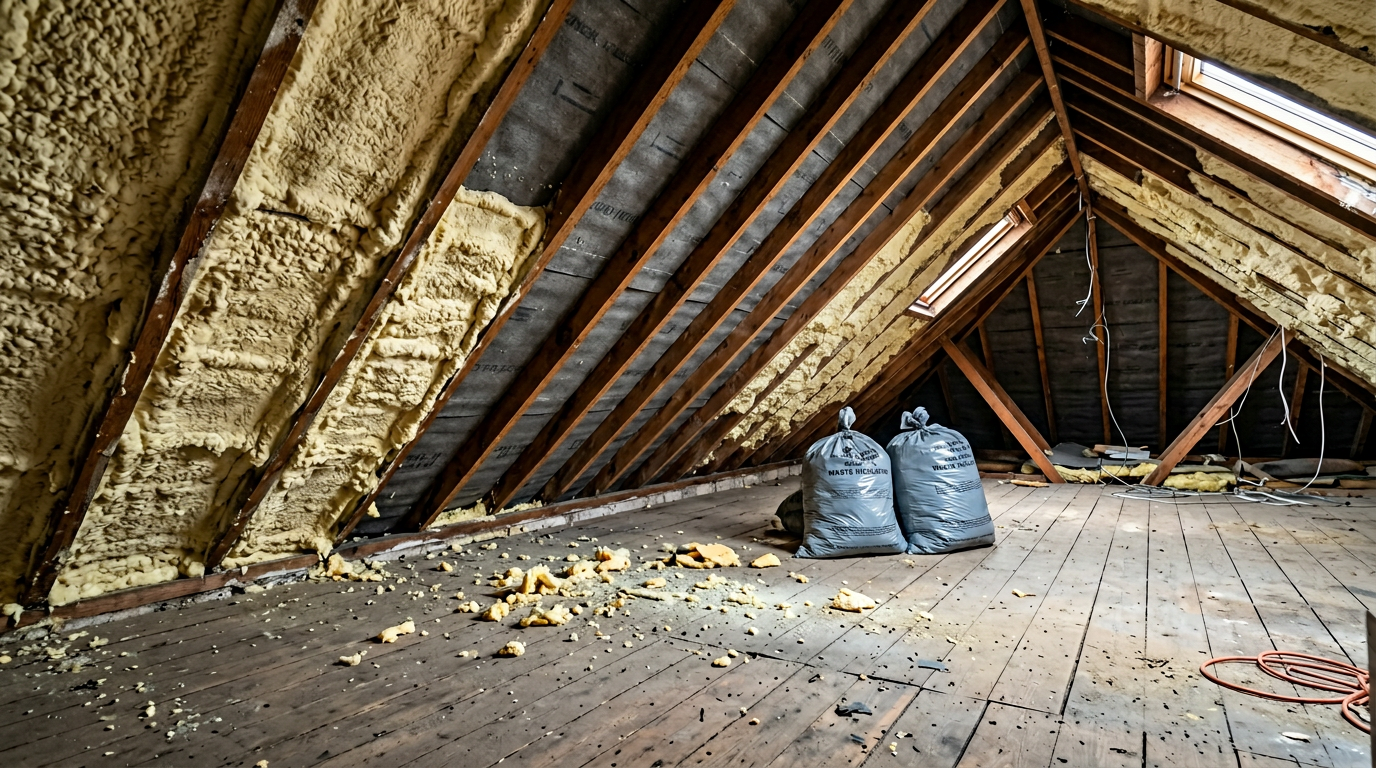
Lenders rely on surveyors to see and test the roof structure. Spray foam can hide roof timbers and trap moisture, so surveyors may mark the roof as “not fully inspectable”. This often leads to cautious lending decisions or refusals. You can read more about why remove spray foam insulation here.

What are lenders actually asking for?

Many lenders now want clear evidence that any risky spray foam has been removed and the roof checked. Some will ask for a report or confirmation from a specialist contractor. Requirements vary by lender and property, so it usually starts with a professional inspection and a written plan tailored to your case.

Do I have to remove all the spray foam?

Where mortgages, remortgages or equity release are involved, lenders usually expect full spray foam removal so the entire roof can be inspected. In limited cases, partial removal may be discussed, but it is less common. A site visit lets us confirm what is realistically needed and how spray foam insulation removal could support your application.

Spotting spray foam problems and checking your roof safely

Spray foam issues often show up as everyday nuisances before they become serious roof problems. Knowing the warning signs helps you decide when to seek advice.

  • Persistent condensation on roof felt or windows near the loft.
  • Damp patches, staining or mould on ceilings, rafters or loft contents.
  • Musty, stale or “wet” smells when you open the loft hatch.
  • Roof coverings or ceilings that appear to sag or feel uneven.
  • Flaking, darkened or visibly softened roof timbers where you can see them.

Spray foam can trap moisture against roof timbers, increasing the risk of hidden decay that is impossible to assess fully while the foam is in place. Once spray foam insulation removal is carried out, the structure is exposed so specialists can check the roof safely and calmly agree any next steps. To see how inspection fits into the work, explore our spray foam removal process.

If you recognise any of these signs, it is worth having your spray foam professionally assessed sooner rather than later.

Learn how our removal process works

What to expect during spray foam removal

These quick answers cover the main practical questions about how long spray foam removal takes, how disruptive it is, and how safety is managed during the work.

How long does spray foam removal take?

Most loft spray foam insulation removal jobs take from one to several days. The timeframe depends on roof size, foam thickness, whether it is open or closed-cell, and how easy access is. An initial assessment lets Precision Insulation UK give a more tailored timescale for your property.

Will spray foam removal be messy or noisy?

Spray foam removal does create controlled noise and dust, as sections of foam are carefully cut and lifted away. The team uses sheeting to protect walkways and belongings, and extraction to reduce dust spread. Access is planned in advance and the work area is tidied at the end of each day.

Is spray foam removal safe for my household?

Spray foam insulation removal is carried out using appropriate PPE, dust extraction and ventilation to manage particles safely. Removed foam and waste are handled and disposed of responsibly. In most cases, homeowners can stay in the property, though loft access and nearby rooms may be restricted while work is underway.

What happens with insulation after spray foam is removed?

Once spray foam has been safely stripped back and your roof structure checked, replacement insulation is planned, not rushed. Any damp patches or timber repairs are dealt with first, and in some homes there may be a short gap to allow the roof to dry fully.

Precision Insulation UK then talks you through suitable post-removal loft insulation options, focusing on good thermal performance, ventilation and set-ups that typically sit comfortably with surveyors and mortgage lenders. You will not be left to pick products alone; the team explains what insulation after spray foam is likely to suit your property and how it fits into the overall spray foam removal process. When you are ready to explore the details, you can read more about the main replacement insulation options available after removal.

Thoughtful replacement insulation is the final step in restoring a warm, mortgage-ready loft after spray foam removal.

See replacement insulation options

Detailed spray foam insulation removal FAQs

These answers cover the most common in-depth questions about spray foam insulation removal, from mortgage concerns to roof checks and what happens afterwards.

Why does spray foam insulation affect mortgages?

Spray foam can affect mortgages because it sticks directly to roof timbers and felt, making it hard for surveyors to see whether there is damp, rot or movement in the roof. Many lenders now treat this as a higher risk and may ask for removal before lending. Our guide on why remove spray foam insulation explains their concerns in more detail. If a lender has raised spray foam as an issue, it is sensible to arrange a professional inspection and removal quote.

Does all spray foam need to be removed for mortgage approval?

Not always, but in practice many lenders want all spray foam removed from the roof area they are relying on as security. Partial removal can still leave hidden areas that surveyors cannot assess properly. The right approach depends on how and where the foam was applied, and what your lender has asked for. A specialist assessment can confirm what is needed for your specific mortgage and provide a clear plan and price so you can decide how to proceed.

What should I do if my surveyor has recommended spray foam removal?

If a surveyor has advised that spray foam insulation should be removed, it is usually because they cannot adequately inspect the roof or are worried about trapped moisture and timber decay. The first step is to read their comments carefully and, if removal is a condition of lending, to speak to a specialist removal company. You can learn more about the reasons behind these recommendations in our why remove spray foam insulation guide, then get your free quote for the work itself.

What are the signs my spray foam insulation could be causing problems?

Persistent condensation, musty smells in the loft, staining on timbers or felt, or any signs of sagging or soft wood can all suggest that spray foam might be trapping moisture. The foam can also conceal early timber decay that is not obvious to the eye. If you notice any of these signs, it is important not to ignore them. A professional inspection and planned removal using a structured spray foam removal process allows the underlying roof structure to be properly checked and any damage addressed.

Can my roof timbers be properly checked after spray foam is removed?

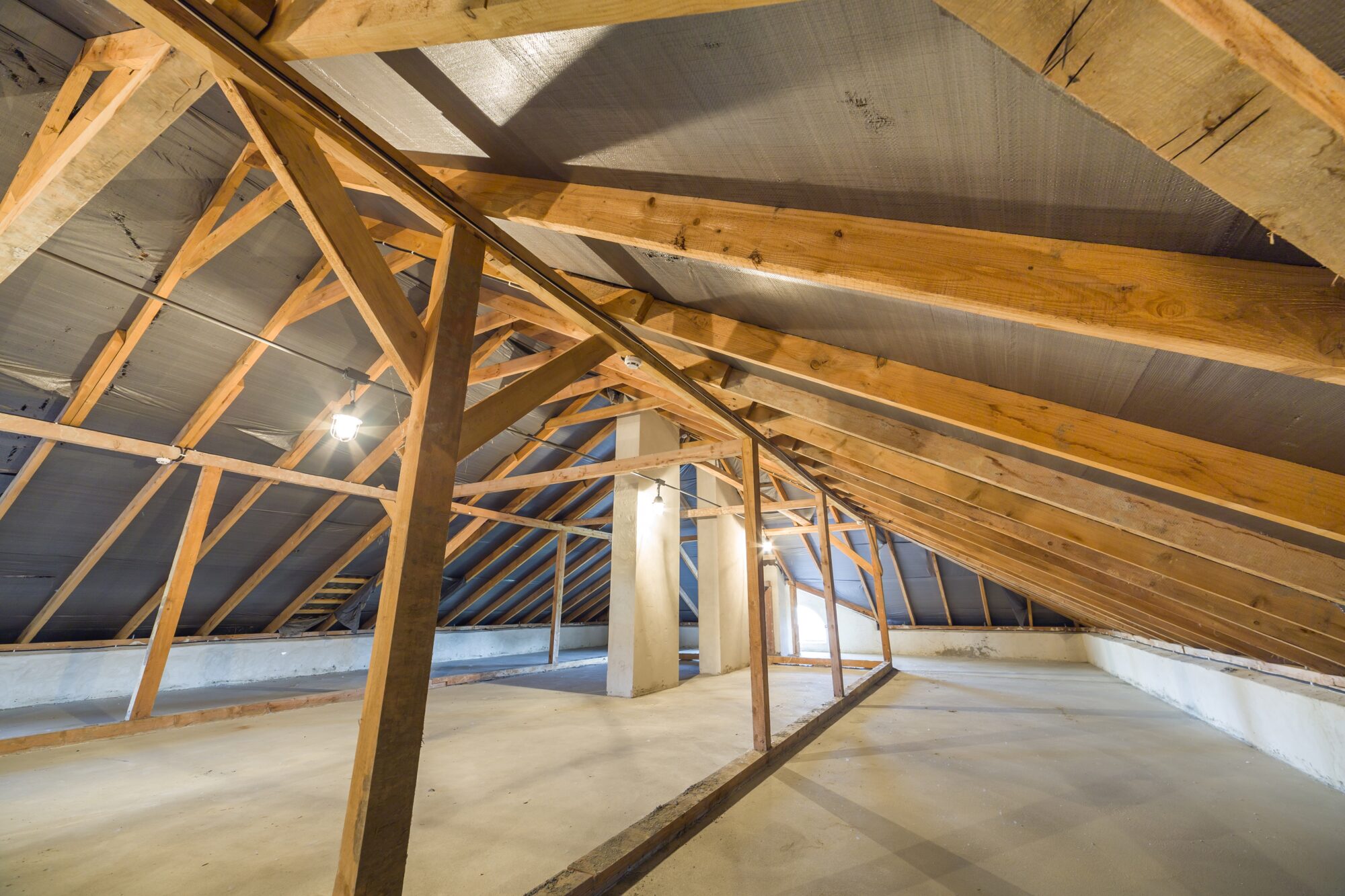
Once spray foam has been carefully stripped away, the roof timbers and coverings are fully visible again. This allows a surveyor or roofing professional to check for damp, rot, insect attack and structural movement in a way that is not possible while the foam is in place. If problems are found, they can be repaired before new insulation is added. You can see how this fits into the wider journey in our detailed spray foam removal process guide.

What happens after spray foam insulation is removed – will my loft be left bare?

After spray foam removal, any damp areas or damaged timbers are dealt with first. In some homes there is a short period where the loft is left uninsulated to allow the structure to dry out and for any repairs to be completed. Once the roof is sound and surveyors are satisfied, you can install new, mortgage-friendly insulation. Our page on replacement insulation options explains how to keep your loft warm while meeting lender expectations.