

Precision Insulation UK is a nationwide insulation company specialising in spray foam insulation removal. We help homeowners across South England, the Midlands, and the North resolve property, mortgage, and roof space concerns with clear, practical solutions.

info@precisioninsulation.uk

Your main replacement insulation setups after spray foam removal

Option 1: Loft floor

Loft-floor insulation for a ‘cold loft’

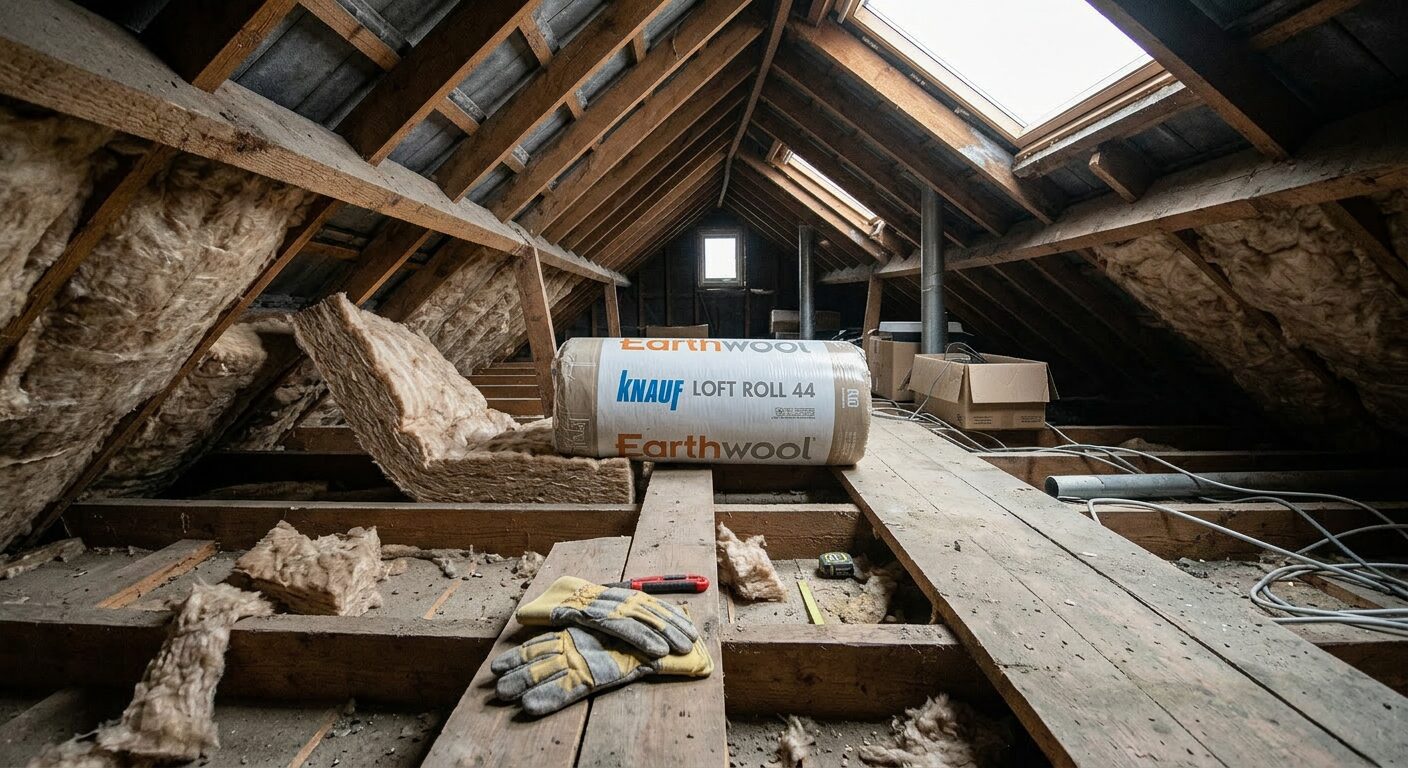
Insulation is laid across the loft floor, keeping warmth in the rooms below while the loft space itself stays cooler. This suits lofts mainly used for light storage, keeps roof timbers visible for inspection, and allows the roof space to stay well ventilated and breathable.

Option 2: Roof line

Roof-line insulation for warm roof or loft rooms

Insulation follows the sloping roof, creating a warmer roof space and more comfortable loft rooms or home offices. It is typically chosen where the loft is converted or regularly used, helping to maintain thermal efficiency while still allowing planned ventilation and inspection points.

Option 3: Hybrid

Targeted or hybrid insulation for tricky roofs

A mix of floor and roof-line insulation is used where access is difficult or budgets are tighter. This approach focuses on the most effective areas first, balancing improved warmth with practical installation, ventilation paths, and safe access to key roof timbers for checks and maintenance.

Scenario 1: Storage loft

Standard loft mainly for storage

A typical pitched-roof loft with boarding and boxes needs insulation that keeps the rooms below warm while leaving storage areas usable. After spray foam removal, insulation usually sits at or just above ceiling level, with clear ventilation paths and exposed roof timbers for easy checks by surveyors.

Scenario 2: Loft room

Loft conversion or room-in-roof

Where the loft is a regular living space, insulation after spray foam removal is focused on the sloping ceilings and dwarf walls while protecting head height and airflow. Detailing aims to keep rooms comfortable year-round and roof timbers accessible wherever practical for future inspection and maintenance.

Scenario 3: Complex roof

Older or complex roofs with issues

In older or previously damp roofs, replacement insulation options prioritise ventilation routes and clear visibility of rafters and junctions. After spray foam removal, any signs of condensation or timber concern are assessed first, and the insulation layout is then planned around keeping the structure dry, breathable, and straightforward to inspect.

How breathable replacement insulation should perform after spray foam removal

After spray foam removal, new insulation needs to keep heat in without sealing the roof space shut.

  • Breathable loft insulation helps warm the rooms below while fresh air can still move through the roof.
  • Ventilated roof insulation reduces cold spots and helps restore thermal efficiency after spray foam removal.
  • A well-aired loft is less likely to suffer condensation, mould growth, or unseen damp patches.
  • Keeping roof timbers visible supports straightforward roof timbers inspection by surveyors and lenders.
  • Good preparation and installation, starting with our spray foam removal process, are essential for these benefits to last.

With the right setup, your loft can feel drier, more stable in temperature, and far easier to inspect in future.

Thoughtful, breathable replacement insulation helps keep your home comfortable while protecting the roof structure for the long term.

Learn how our removal process works

How your specific roof and loft shape the right replacement insulation

After spray foam removal, the best replacement insulation depends on how your roof is built, how you use the loft, and its current condition.

  • Standard trussed roofs often suit insulation laid between and over joists, keeping the roof timbers visible for inspection.
  • Older cut roofs and mixed pitched sections may need more bespoke insulation layouts to protect awkward corners and maintain roof ventilation.
  • Lofts used only for storage must balance raised storage boards, safe access from the loft hatch, and continuous insulation coverage.
  • Full loft conversions or rooms-in-roof require careful detailing around sloping ceilings to protect head height while meeting insulation needs.

Once spray foam is removed, Precision Insulation UK checks for damp, staining, and timber issues before confirming any plan, then explains any trade-offs in plain English so you can move forward with confidence. For complex or unusual roofs, Speak to a spray foam removal specialist to discuss the right approach for your home.

Every roof is different – tailored advice ensures your new insulation works with, not against, your home.

Speak to a spray foam removal specialist

Common questions about insulation after spray foam removal

These answers cover typical timing, comfort, and mortgage questions about replacement insulation options after spray foam removal; specific recommendations will always follow a roof inspection.

When should I add new insulation after spray foam removal?

In many homes, replacement loft insulation can be fitted soon after spray foam removal, once the roof space has been inspected and any damp has had a chance to dry. Leaving a short gap is usually fine, but your home may feel cooler and heating costs can rise temporarily. The exact timing depends on roof condition and ventilation, so it is best agreed after an on-site survey.

Can I stay in my home while I wait for replacement insulation?

Yes, you can live in the property between spray foam removal and new loft insulation, but you may notice rooms below the loft feel cooler, especially in winter. You can compensate by adjusting heating, closing curtains at night, and blocking obvious draughts. This interim phase is usually short; your survey will guide when it is sensible to reinsulate.

Is it okay to leave the loft uninsulated for a few months?

Technically you can, but an uninsulated loft will lose heat much faster, so you will likely see higher heating bills and more temperature swings. Prolonged delays can also leave the roof space more exposed to condensation if ventilation is poor. A post-removal inspection helps set a realistic timescale that balances drying, roof checks, and comfort.

What types of replacement insulation are generally acceptable to mortgage lenders?

Mortgage lenders and surveyors usually prefer breathable, ventilated setups where roof timbers remain visible for inspection. Approaches such as insulating the loft floor in a standard pitched roof, or carefully detailed room-in-roof insulation, are often acceptable when designed to keep the structure dry and accessible. Your lender’s requirements should be checked alongside a professional survey.

How do I know which replacement insulation option is right for my home?

The right loft insulation after spray foam removal depends on how your roof is built, how you use the loft, and any existing damp or timber concerns. A site survey will look at ventilation paths, access, and what your lender or surveyor has requested. From there, you can agree a replacement insulation option that balances comfort, breathability, and mortgage expectations.

What happens if my loft is part-converted or difficult to access?

Part-converted or awkward lofts can usually still be reinsulated, but they often need more careful detailing to protect head height, ventilation routes, and access to structural timbers. Solutions may combine different insulation methods in different areas. An inspection and discussion on site will clarify what is practical and how to keep both the living space and roof structure performing well.

Ready to move on from spray foam problems?

With the right support, moving from spray foam issues to a clear, mortgage-compliant insulation plan is straightforward. Precision Insulation UK will help you identify the problems, carry out safe spray foam removal, and guide you towards suitable replacement insulation options for your property.

From first enquiry to an inspection-ready loft or roof, you will have a team focused on restoring comfort, protecting your roof structure, and giving surveyors and lenders the visibility they need. If you would prefer to talk things through first, you can also Speak to a spray foam removal specialist for calm, practical advice about your next steps.

Take the first step today and move towards a warmer, drier, mortgage-ready home with Precision Insulation UK on your side.

Get Your Free Quote