

Precision Insulation UK is a nationwide insulation company specialising in spray foam insulation removal. We help homeowners across South England, the Midlands, and the North resolve property, mortgage, and roof space concerns with clear, practical solutions.

info@precisioninsulation.uk

When spray foam starts causing real problems

These are the most common real-world situations where loft spray foam becomes a practical issue for homeowners, buyers, lenders and surveyors.

Scenario 1

Mortgage delays triggered by survey comments

A buyer’s or remortgage survey notes spray foam in the loft and flags that roof timbers cannot be fully inspected. Lenders often respond cautiously, asking for further reports or suggesting foam is removed before funds are released, leaving moves or remortgages on hold until the risk is reduced.

Scenario 2

Roof structure hidden from proper inspection

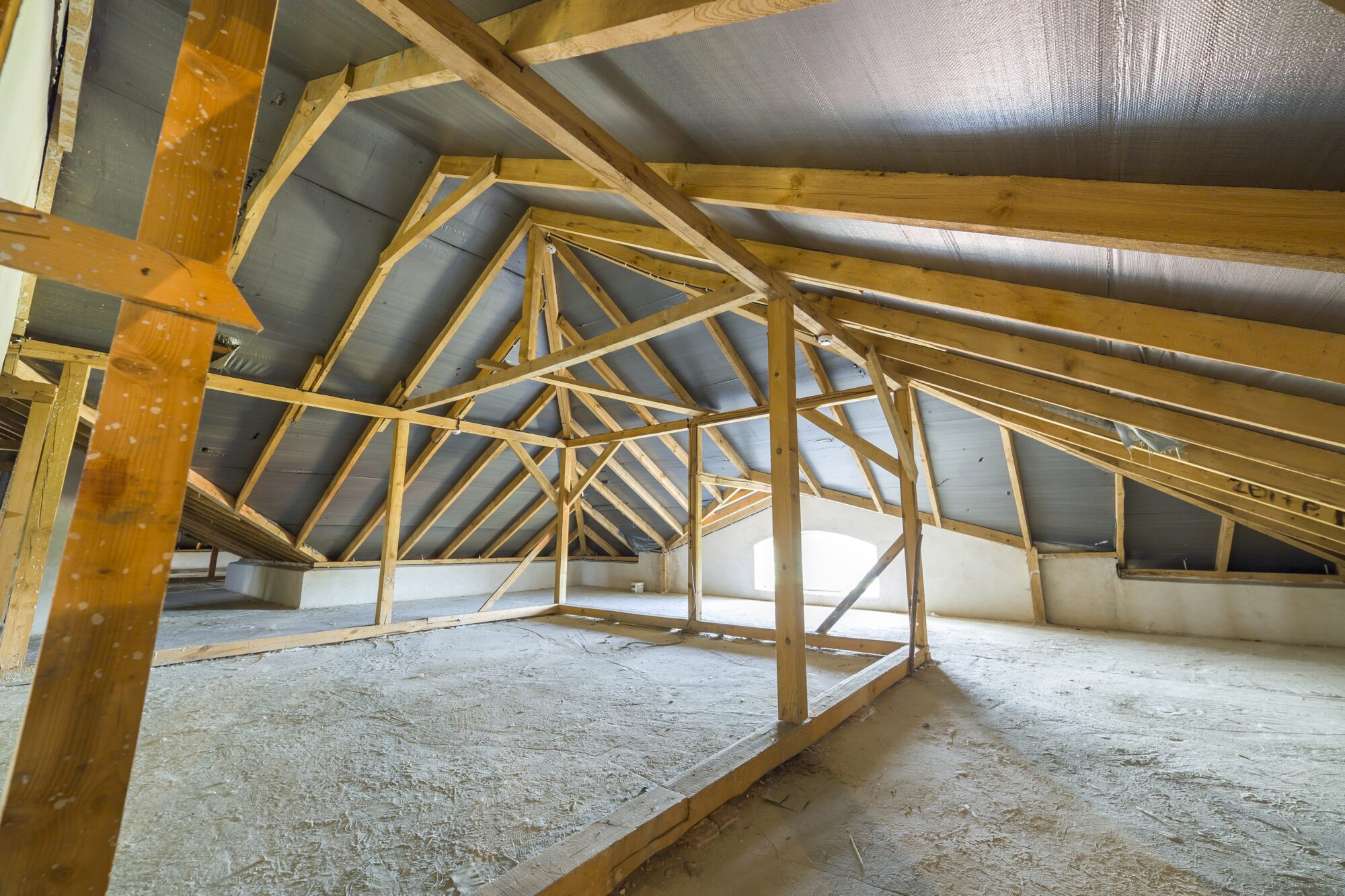
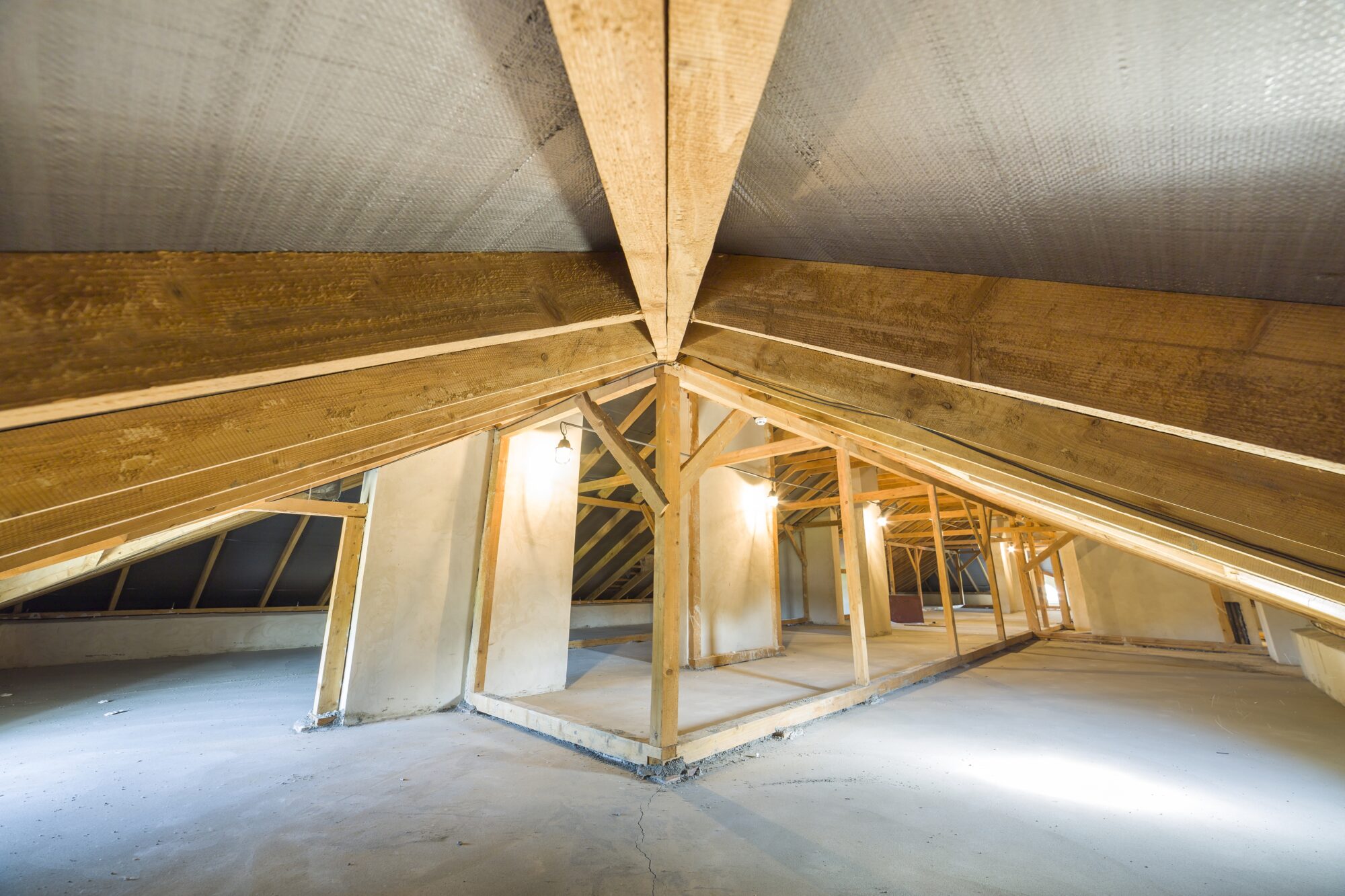
In many lofts, spray foam covers rafters, fixings and roof felt so a surveyor cannot see whether timbers are dry, sound or starting to deteriorate. With this uncertainty, reports may recommend exposing or removing foam so the roof structure can be properly inspected and any hidden issues ruled out.

Scenario 3

Moisture worries and nervous future buyers

The UK’s cool, damp climate means lofts are prone to condensation. Spray foam can alter ventilation and hide early signs of staining or damp, making it harder to judge what is happening behind the insulation. This lack of visibility often unsettles future buyers and their surveyors, affecting confidence and resale.

When professional spray foam removal becomes the sensible next step

When earlier survey, mortgage, or moisture concerns start to build, professional spray foam insulation removal becomes a practical way to move forward.

By carefully taking spray foam out, specialists restore clear sight of the roof timbers and structure so surveyors can properly assess their condition. This visibility is often essential for achieving a mortgage-ready roof and reassuring lenders that no hidden damage is being masked.

Removing problem foam can also improve airflow through the loft space, helping reduce the risk of trapped moisture sitting against timber in the UK’s cool, changeable climate.

Because every property is different, a spray foam removal assessment from Precision Insulation UK is usually the first step. Our team works across England, focusing solely on safe, professional spray foam removal and protecting the roof while any necessary work is carried out.

A focused removal assessment can give you, your surveyor, and your lender clear confidence in the condition of your roof.

Learn about professional spray foam removal

How spray foam affects moisture in UK lofts

Spray foam can change how moisture and air move through a UK roof space, which is why it needs careful assessment wherever damp or ventilation issues are suspected.

Roof airflow

Spray foam and reduced roof ventilation

Spray foam insulation can seal up gaps where a roof naturally “breathes”. In a UK loft this may slow the escape of moist air from the home, so humidity lingers around the roof lining and timbers instead of being gently carried away by background ventilation.

Condensation build-up

Condensation and trapped moisture in cool climates

In our cool, often damp climate, warm, moist air from daily living can reach the cold surfaces of a foamed roof. Where ventilation is restricted, this moisture can condense and stay trapped against felt, fixings, or hidden roof timbers, making problems harder to spot early.

Hidden warning signs

Hidden damp around roof timbers and early warning signs

Because spray foam covers rafters and joints, early damp signs on the structure may be concealed. Homeowners might only notice secondary clues such as musty smells, discoloured plaster, staining, or flaking paint near the loft, which is why professional inspection is so important if issues are suspected.

What happens after spray foam is removed?

Once the spray foam is taken out, your roof timbers and structure can finally be checked in full, so any issues are identified and addressed properly.

Precision Insulation UK will then guide you through planning replacement insulation options that suit your property and meet typical mortgage expectations. Standard, UK-compliant loft insulation methods can be used to maintain energy efficiency while allowing the roof to breathe and be inspected in future.

The aim is a clear, managed transition from problematic foam to a sound, well-insulated loft, so you are not left wondering what to do next or worrying about heat loss.

You are not left with a cold loft – you are supported through to a warm, mortgage-compliant roof space.

See your replacement insulation options

Spray foam removal FAQs

These answers cover the most common questions about spray foam removal, mortgages, surveys, and what happens once the foam is taken out.

Does all spray foam insulation have to be removed?

No, not every home with spray foam automatically needs removal. Whether spray foam removal is necessary depends on the condition of the roof, how the foam was installed, and what your surveyor or mortgage lender has said. If there are concerns about hidden damp, timber condition, or mortgage refusals, a specialist assessment is usually recommended. Precision Insulation UK can review reports and inspect your loft before advising on the right course of action.

Why are mortgage lenders and surveyors worried about spray foam in lofts?

Many UK lenders and surveyors are cautious because spray foam can hide roof timbers, making it harder to check their condition. They also worry about possible damp risk and the lack of consistent installation standards. As a result, some lenders will only lend if the foam is removed or further investigation is carried out. If your lender or survey mentions spray foam, it is sensible to speak to a removal specialist for guidance.

What should I do if my RICS survey recommends spray foam removal?

If a RICS report notes spray foam and suggests further investigation or removal, the next step is usually to arrange a specialist inspection. A company experienced in spray foam removal can review the survey, inspect the loft space, and advise whether full or partial removal is appropriate. Their findings can then be shared with your lender or buyer to help move the transaction forward.

What are the signs that spray foam might be causing damp or moisture problems?

Possible signs of moisture or damp around spray foam include a musty smell in the loft, discoloured or stained roof felt, visible beads of condensation, or areas of darkening on timbers or plasterboard. These signs do not always mean there is serious damage, but they warrant a professional inspection. Only by assessing the roof structure properly can a specialist confirm whether spray foam insulation removal is needed.

What does spray foam removal involve and how disruptive is it?

Spray foam removal is usually carried out from the loft, using tools and controlled techniques to take the foam off the underside of the roof coverings and timbers. It can be noisy and dusty, and loft contents normally need to be cleared or protected. The duration depends on the size and complexity of the roof. For a more detailed outline, you can read about the spray foam removal process.

What happens after spray foam insulation is taken out?

Once the spray foam is removed, the roof structure can be inspected properly so any issues can be identified and addressed. After that, you can plan new loft insulation that suits your home and mortgage requirements. Precision Insulation UK can guide you through suitable replacement insulation options so your property is not left cold or uninsulated after removal.